
She Switched Flags, Moved to California With a Saucepan, and Made It to the Olympics. Meet Sofia Samodelkina
I love doing long interviews.
They take time, they're a hassle, they take a lot out of you — but I like it when, behind the image on the TV, you can see the real person.
Sofia Samodelkina is a gift to talk to. Funny (I regretted that we hadn't done a video format: we laughed the entire hour and a half), unguarded and candid. With self-irony and without trying to seem like someone she isn't.
We talked about everything at once: Kazakhstan, weight, friendship with Trusova, and the prospects of quad jumps.
The chapter on life in America is especially dear to me. It's never easy after a transfer. Leaving isn't only about opportunities, competitions and medals. Many want guarantees right off the bat, and not everyone is ready to take a hit to their standard of living.
Sofia took the leap, and I think she didn't miscalculate.
Sofia Samodelkina is the biggest transfer of any Russian female skater in the ban era.
A promising junior, she switched to Kazakhstan two years ago, but neither the fans nor skating world have stopped following her — already adult — career.
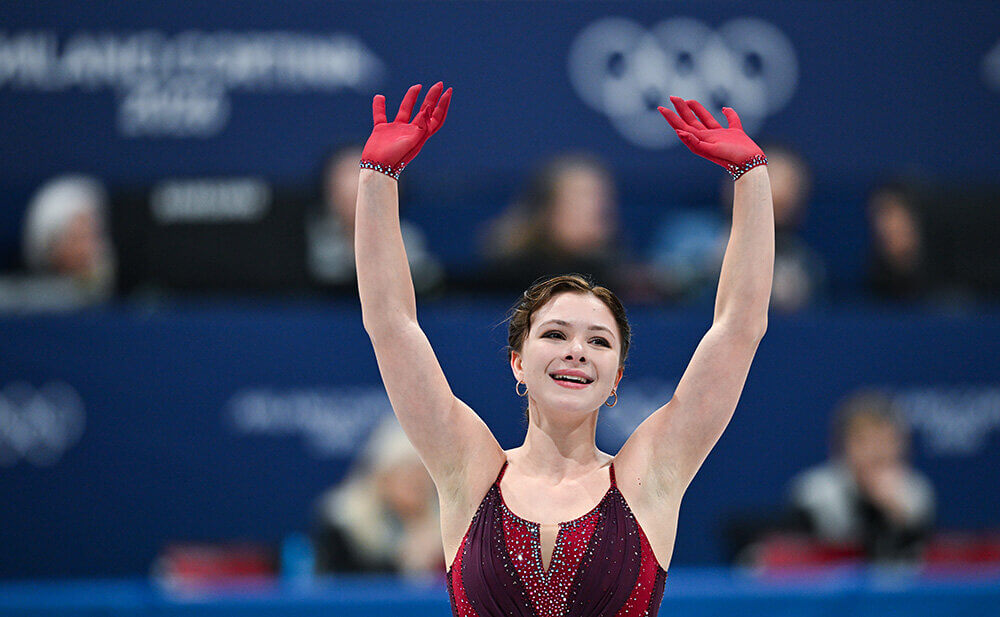
Before the transfer, Sofia had a triple axel and quads in her arsenal — though she landed them a year and a half before changing flags. From the autumn of 2022 (her last landed quad) to May 2024 (her release from the Russian Federation), Sofia changed coaches twice. First she left Sergey Davydov for Svetlana Sokolovskaya, and a year and a half later switched from CSKA to "Plushenko's Angels."
With Evgeny Plushenko, Samodelkina competed just once — her debut Kazakh nationals in the summer of 2024. Some of the worst scores of her career, puberty hitting after a year without competition — with Tatyana Tarasova's categorical verdict ("Samodelkina's departure is no loss for Russian figure skating") nobody felt like arguing.
It seems Sofia herself understood perfectly: she had to change something again. And by autumn she was already in the US — for a tryout with Rafael Arutyunyan.
From that moment Samodelkina's career stopped getting tossed about. From her first start for Kazakhstan to the Milan Olympics — almost a 50-point increase.
This season is the first that Sofia has spent entirely in California.
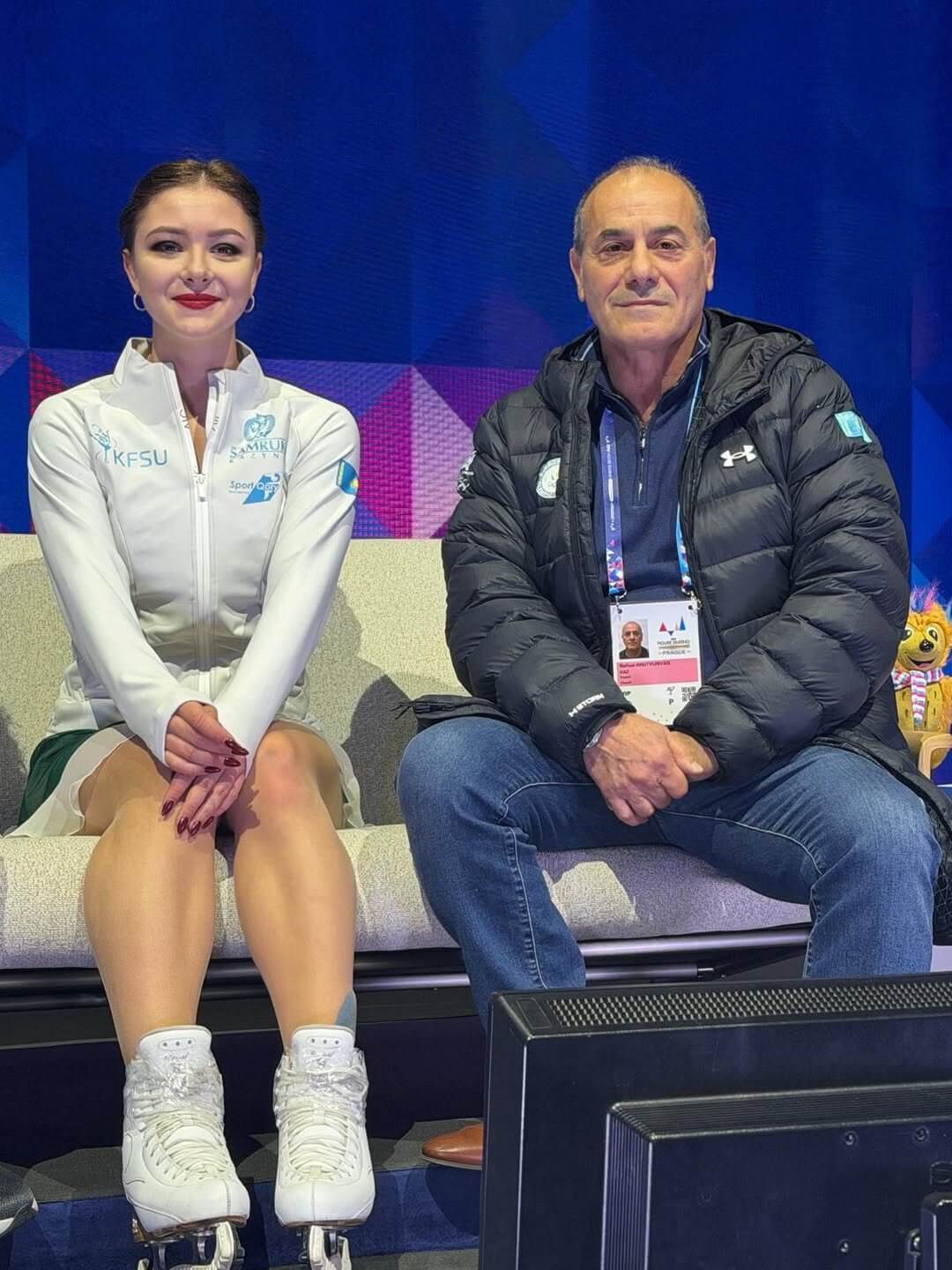
Arutyunyan is no longer a consultant during short training stints — he now takes her to competitions and is responsible for her preparation. At the World Championships in Prague, Samodelkina was the only one Arutyunyan appeared with in the kiss-and-cry.
Top-10 at the Olympics (the best result in the history of Kazakhstan women's skating), her first Grand Prix medal (silver at NHK Trophy) — the season turned out workmanlike, even if not as successful as Sofia herself wanted.
Maya Bagriantseva followed Samodelkina closely at every event, and after Worlds met up with her for a long conversation. Sofia has grown up, settled into California and, it seems, no longer plans to change coach, rink, or flag.
We talked about life in America, training with Arutyunyan, quad jumps, and the battle with weight. Shaidorov, Trump and Gumennik came up too.
Remembering the Olympics. Petrosyan, Sakamoto and Alysa Liu.
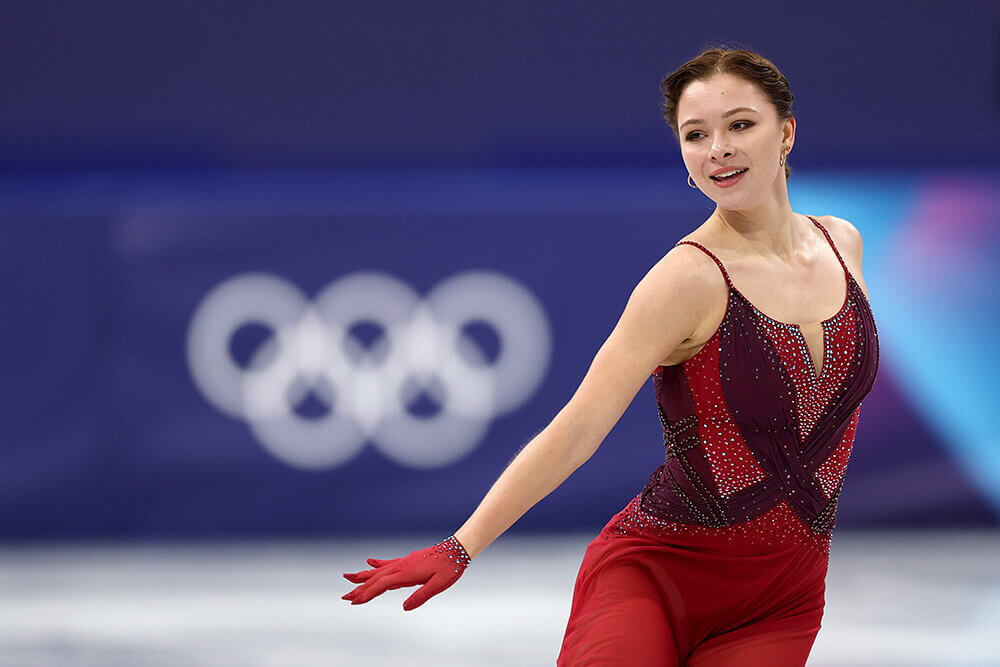
— Milan was your first Olympics. Was it like you expected?
— I pretty much imagined it that way. Except I thought that at the Olympics I'd be in some kind of special state and mood the whole time. But in reality it's a regular competition: you immerse yourself in the work and don't think about anything. I went out for my performances and didn't feel anything unusual.
I immediately remembered Sasha Trusova's words: she said that in Beijing 2022 she wasn't nervous on the ice at all. Back then I couldn't understand it: how is that possible? It's the Olympics! But it turns out you prepare so much for this tournament — both physically and psychologically — that you just go out and do your job.
— What did you enjoy the most?
— For the first time in my life, during my skate, I felt that I was a happy person. I'm doing the step sequence in the short program, and suddenly the thought: I'm at the Olympics, awesome, mom and dad are watching me on TV right now! And the audience is cheering so much!
These emotions are forever — even if I make it to a second or third Games.
— And off the ice, what stuck with you? Did you collect pins?
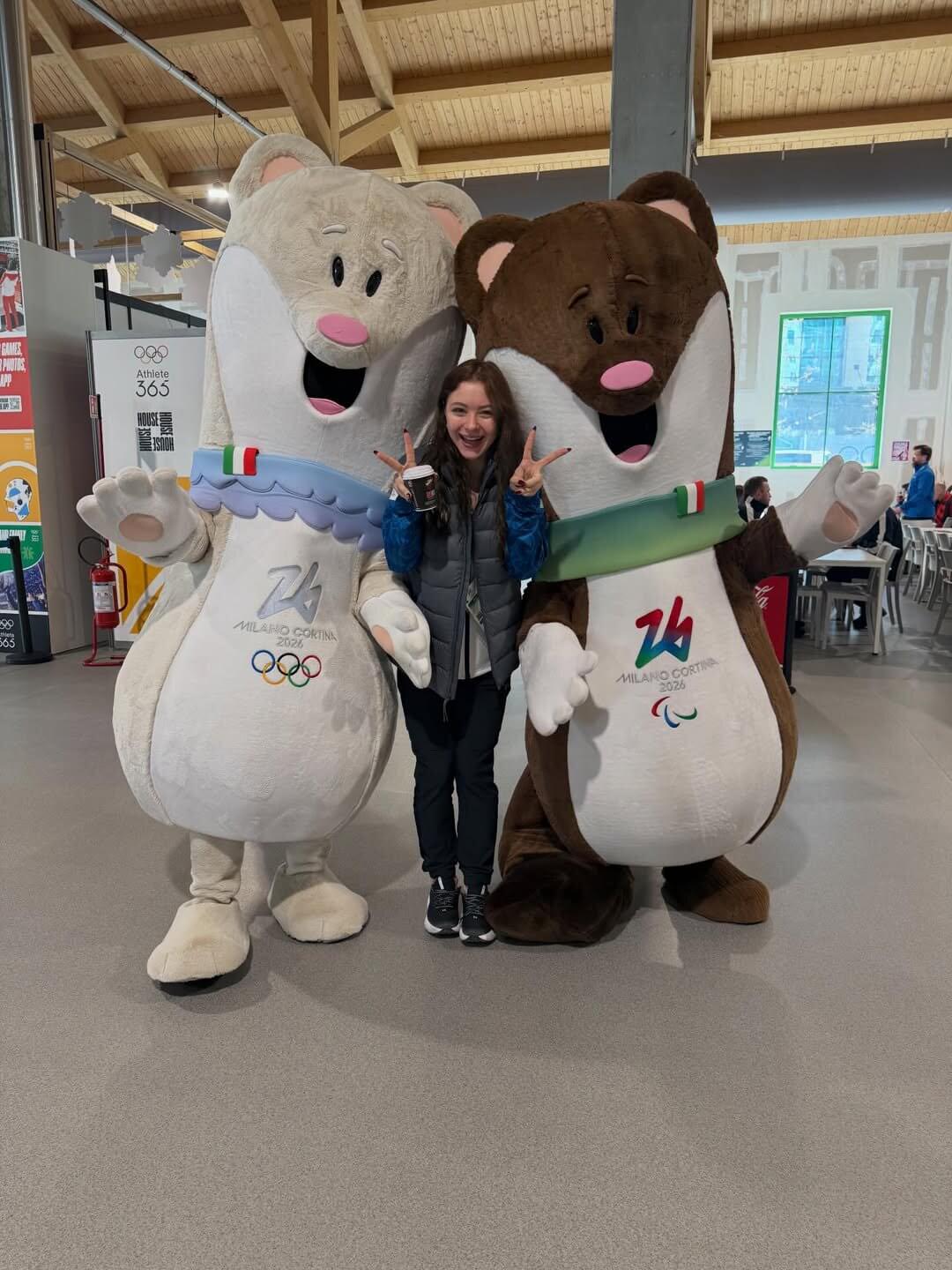
— At first no, somehow that whole thing passed me by. And then they gave me Team Kazakhstan pins, and it turned out there was a queue for them! They're rare, and on top of that very big and beautiful. The moment I put them on, I became three times more popular, I swear. I decided I'd only trade them for two or even three — they're too valuable, ha-ha.
— Were there parties in the Olympic village?
— Before the competition nobody parties, of course. Then you're lying around, recovering — also not in the mood for parties. I flew to Milan just a couple of days before the short program, and then it was all over pretty quickly. I missed the opening ceremony and only made it to the closing.
In the village we got together with the guys a couple of times, played cards, board games. Alias was especially fun — that's the one where you have to act out and explain words. It turns out that in English it's much harder! You sit there straining your brain and can't get a single word out.
— But I see that you have no problems giving interviews in English now.
— Yes, and I'm very proud of that. Because it started almost from zero. Of course, I make mistakes, and when friends start chattering, I freeze too. But I communicate fairly easily already, although my goal is to bring the language to perfection. So that words I don't understand don't have to be translated to me on the side.
— And what about Kazakh?
— Of course, I want to learn Kazakh. I already tried to, but I didn't have a tutor, and self-study didn't really work out. Right now I'm living in an environment where everybody speaks English, not Kazakh — and learning two languages at once is hard for me, honestly.
But when I come to Kazakhstan, I always try to say simple things in Kazakh: greetings, thanks, basic everyday questions. Sometimes it's funny: people respond by continuing the conversation in Kazakh, and then I have to apologize that I'm still learning the language and can't speak it well yet.
So learning Kazakh is definitely in my plans — I pick up languages quickly, I just need to find a good teacher. Even though Kazakhstan has two main languages, I want to learn to speak it, at least at a basic level. It's both respect for the country and it would simply be nice to one day give an interview at a competition in Kazakh.
— Which of the international girls do you hang out most at competitions?
— I love meeting up with Isabeau Levito, we're on the same wavelength and clicked very easily. When we see each other at tournaments, we goof around, joke, and chat.
We've got a really genuine women sporting friendship with her. Because in sport it goes different ways — animosity happens too. And I'm a fairly sensitive person, I notice such things right away.
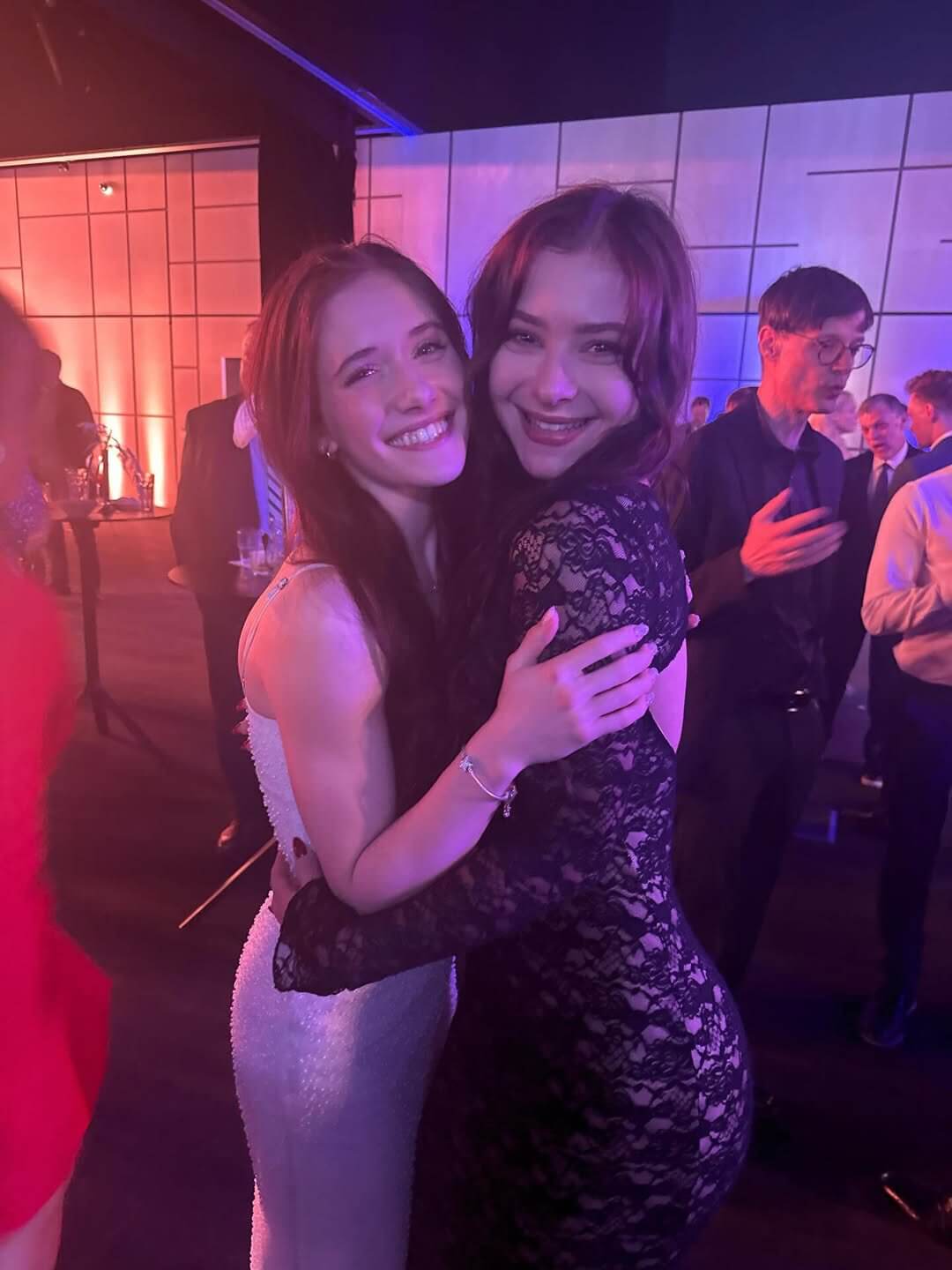
I can also have a laugh with Haein Lee. At Worlds in Prague, I'm walking back after the free skate — upset, of course (Samodelkina finished 12th). And I run into Haein in the hotel: my eyes are tear-stained, she's sad — we hugged and both started bawling.
I tell her: "Okay, what's the point of crying. Let's at least take a little walk, it's better than sitting inside." So at midnight we walked around the hotel — had a great chat about new season.
At the Milan Olympics I saw Adeliia Petrosнan. We met, hugged — we hadn't seen each other in ages. After the free program we congratulated each other on it all being over, and then we both got pulled in for doping control.
There we sat for a long time and chatted: remembering our junior days, how we trained back then and how it's all changed now. It was nice to see her, the next day we walked around together with some friends.
But my closest relationships are at the rink in California — I have both buddies and friends there.
— Whose performances in Milan stood out to you the most?
— Among the girls, definitely Kaori Sakamoto — she's heads above everyone in the impression she leaves, in the way she presents herself on the ice. You can give a standing ovation to the lightness of her skating — it's like she doesn't touch the ice, and at the end of her skate the audience gets goosebumps.
Among the men, I really liked the free skates of Yuma Kagiyama and Kévin Aymoz. I watched from the stands — even though I don't like watching competitions live.
— Why?
— I worry too much for the people I know. It's a nightmare — I'm more nervous than I am for myself. So for me it's not fun or pleasure, it's pure stress. But Yuma really did skate incredibly — in one breath, with joy. It's nice to watch when a person skates a program with pleasure and is happy.
— Speaking of happiness. What do you think is the Alysa Liu phenomenon? Why does everyone get so taken in by her live performances?
— It's clear why she hooked everyone like this: nobody is used to seeing figure skating like this. For us, sport is a battlefield, a fight. You go out and think: it's me or them. I was raised all my life that you have to push forward, gritting your teeth, no matter what. Remember the Beijing Olympics — that was a real slaughter.
And here this girl came out: she has fun the whole program, looks the way he wants, has a different body type — and takes gold. And on top of that she works a lot too and does the same difficult content. One can only dream of this: to live with joy, skate with pleasure, not limit yourself in anything — and take first place.
Of course, after that many people are confused: how is this possible? She can skip practice to meet up with friends, dyes her hair in unusual ways — and after that she gets such a medal? She didn't deserve it!
But I think that's complete nonsense. Alysa has her own, difficult story, in childhood she was forced to do everything just like the rest of us. At some point she just decided she didn't want to live like that anymore. And then she came back: on her own terms and an understanding that if it works out — great, if it doesn't — okay, also not the end of the world.
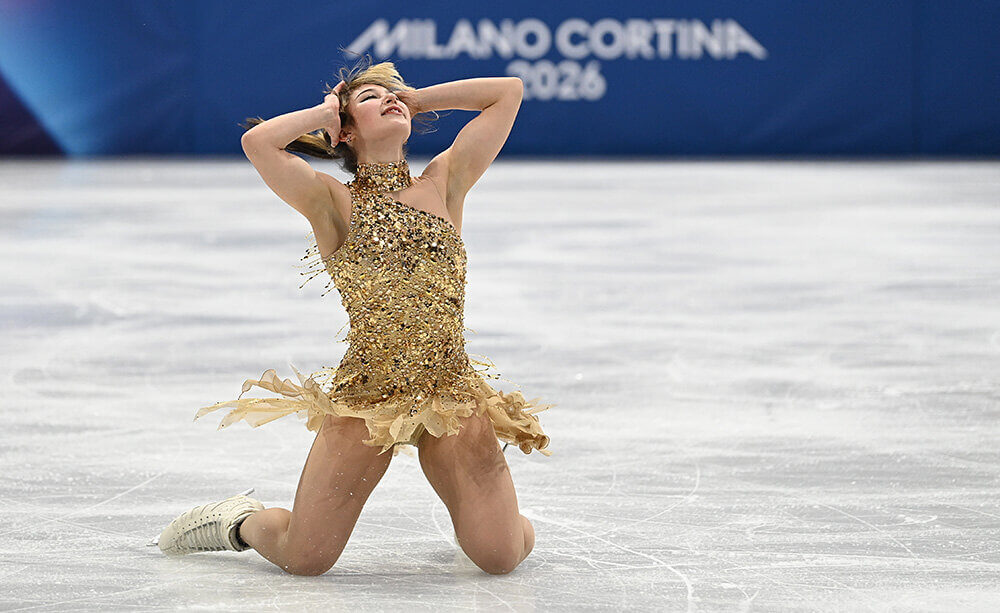
I can't say I'm the same. Yes, I also skate without fear, there's no "if it doesn't work out, they'll kill me" sitting in my head. For me, just stepping out onto the ice is already a joy. But psychologically we're different, of course.
Misha Shaidorov, the new apartment and Samodelkina-Junior: Sofia's sister is also on the Kazakhstan team!
— Do you feel increased attention after the Olympics? Are you recognized more often?
— Yes, especially in Kazakhstan. After Worlds I'm taking a cab from the airport, 4 a.m., I'm horribly sleepy. And the taxi driver says: "Sorry, I understand you're very tired, but I cheered for you so much at the Olympics! Can I take a picture with you?" At that point it doesn't matter how you look — of course you take the photo.
I try not to refuse when people come up with such requests: I remember how hurt I was as a child when some performer wouldn't give me an autograph. I sobbed in despair back then: a person couldn't spare me three seconds, and to me it was so important.
It's clear there are different situations: if there's a huge crowd, if there are safety concerns, or if we're running late. But if it's a couple of people and a couple of minutes — then why not? They feel good, you do too.
So I guess my popularity has grown, but that's a great thing. People admit they cheered for you, worried about you — these are very nice feelings.
— And on top of that, they gave you an apartment in Astana.
— That was a complete shock. We flew in from Milan, at the airport they gave us a ceremonial welcome — everyone was waiting for Misha Shaidorov, of course. They started giving out awards and presents, said they were giving him an apartment and a car. I was happy for him — an apartment, wow! It was early morning, I'm standing there as if in a dream, and suddenly I hear: "We are also presenting Sofia Samodelkina with an apartment!" I literally woke up, I swear to God. I rushed to call my parents, was jumping up and down with happiness.
The apartment is still being built, but I'm already looking forward to setting it all up. It's a one-bedroom but a big one, in a nice new district of Astana. Now I am motivated to earn money for renovations. Once I'm done — I'll have my own home for when I come to Kazakhstan.
— Do you come there often?
— Yes. I try to fly here after competitions — at least for 5–6 days. There's a lot to do here: documents, medical appointments, and just to take a breather. I love walking around the city, talking to people, switching to a calm rhythm of life.
America isn't my home, my native language isn't there, and on top of that medicine costs like crazy. And here the federation helps me, I have a doctor assigned to me, she's always in touch and arranges all the exams and procedures.
But the main thing is that my sister now lives here, I miss her a lot. Dasha is 15, she's been doing fencing for over 7 years and is already on the Kazakh national team. It's nice when people recognize me on the street and say: "Oh, we cheer for your sister too, the Samodelkinas are amazing!" We laugh that Dasha could make it to the 2028 Summer Olympics, and I to the 2030 Winter Games.
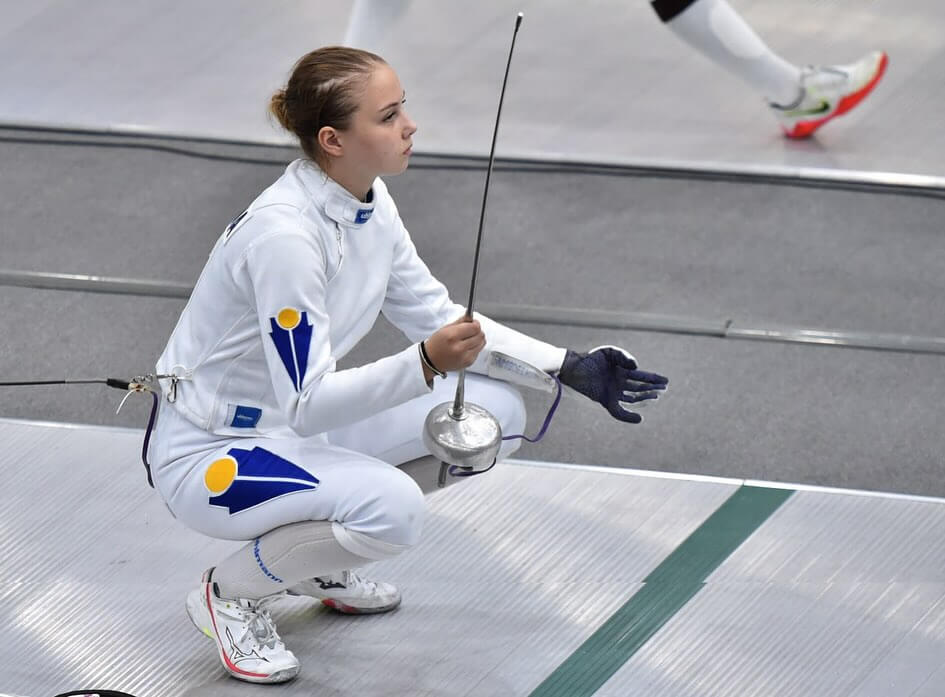
— And who does she live with in Almaty?
— Alone. Mom and dad fly in occasionally — but she's very independent, I can only look up to her in that respect. From early childhood I was very attached to my mom, and a lot was done for me. But Dashka does everything herself, she's a real trooper. Now sometimes she grumbles: "Sofa, why can't you do this?!" And I answer: "Sorry, but mom always did all this for me, I'm only just learning."
— By the way, what's correct: Sofa or Sonya?
— Sofa. I've been called that since childhood — Sofa, Sofochka. "Sonya" sounds unfamiliar to me, like it's not even my name. I don't like it, and when people address me that way, I sometimes even correct them. The only one who can call me that is Rafael — and that's it. The guys at the rink sometimes protest — well, why aren't we allowed then? But I answer: don't confuse yourselves with Arutyunyan, okay? We laugh, of course, but in America there's a whole story around my name.
In my documents I'm Sofia, but in Latin script I'm written everywhere as Sofia. Okay, I got used to it. But when Americans hear "Sofa," they start laughing: in English that's a "couch." Andrew Torgashev especially gets a kick out of it and refuses to call me by furniture.
— You're now asked about Misha Shaidorov in every interview. It's like you perform as a pair.
— Yes, it already feels a bit strange — we're not twins. I think if you ask Misha, he'll say the same. We have a good relationship, I'm very proud of his gold medal. Unfortunately, we don't see each other much during the season because we train on opposite sides of the world, but we keep in touch. Before the Olympics we cheered each other on — we were running out of strength, I wrote him: hold on, last push, then we'll rest.
I'm incredibly happy that everything worked out for him in Milan. I know what it cost him — he never had an easy road, it's been a fight since childhood. He's a hard worker and put in so much work to achieve such a result. Of course, for Kazakhstan it's a huge victory, Misha wrote his name into history. I'm proud that he's my friend, and I try to learn from him. I like his approach to training, how he keeps his work routine and gives all of himself at the rink.
But now, because of all this hype, some wild stories have started — they pair us up romantically, ask improper questions. I always try to respond correctly, I think it'll get easier when all this fuss settles down.
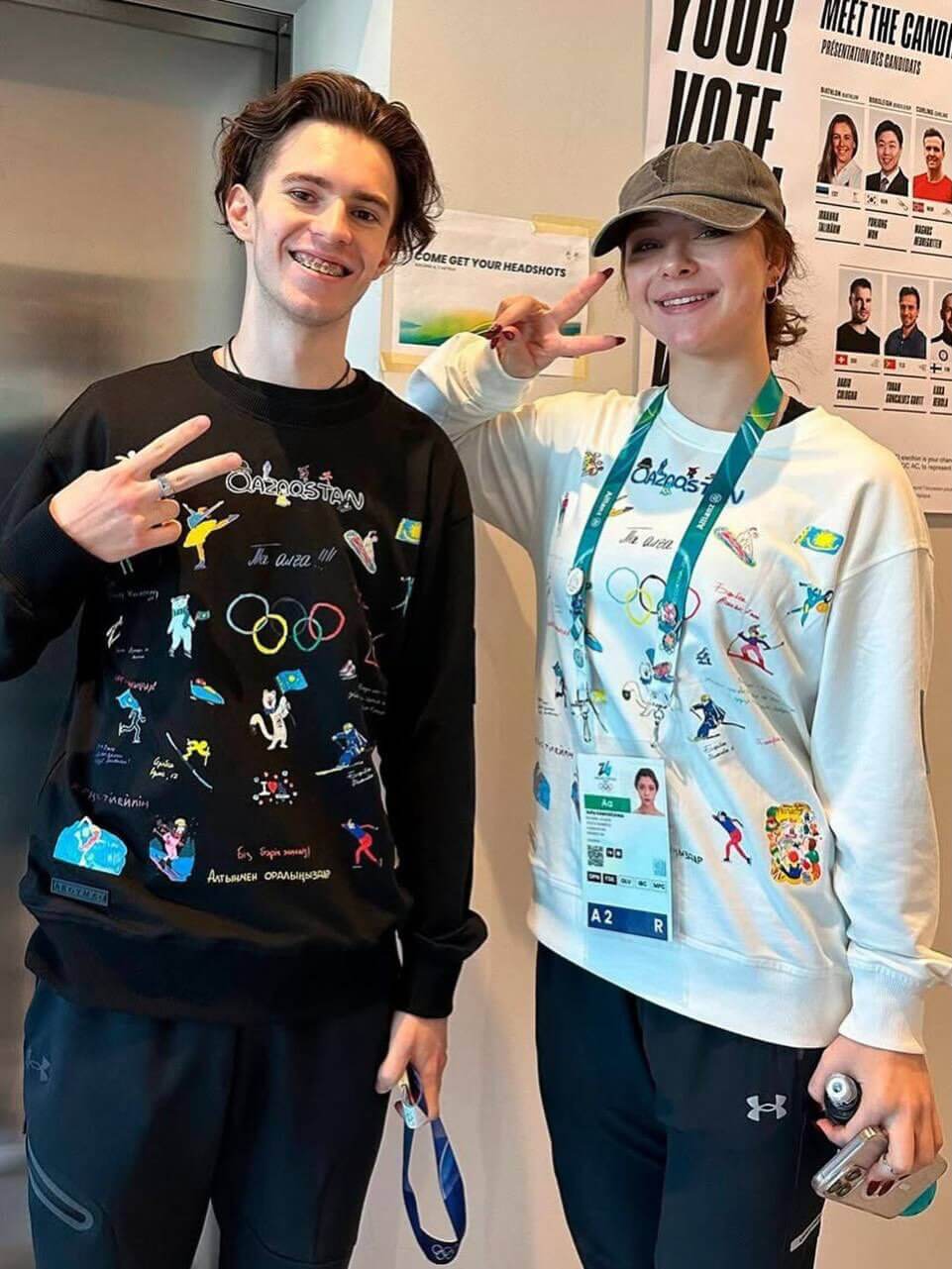
— I also keep hearing how people still ask you why you switched to the Kazakh flag.
— I'm amazed, honestly. Who could still possibly find this interesting? Of course, at my first competitions it was still the news, I had just come onto the international arena — and by the way, I always answered these questions in detail. But I've already skated two seasons for Team Kazakhstan, been to two World Championships, and they keep asking me about it.
"If next season I don't land an axel or a quad, I won't move higher." What about ultra-c?
— Rate your season on a 10-point scale.
— 7–8, probably. Nobody knows what would have been if not for the injury in the summer. It threw me back a lot — I was without physical training for two whole months.
— What kind of injury?
— My leg. August, I'm in good shape, already starting to land everything. Rafael thinks I overdid it with the jumps. And since childhood I jump non-stop in practice — so probably I really did overjump. And the annoying part is — I didn't even fall on a difficult element.
I'm doing a step sequence, my leg lands in a crack on the ice — and I hear a crunch, hellish pain, my knee twists out. I've never been in such pain in my life.
Thank God it didn't end up being a fracture. At first I was optimistic: I'll sit at home a bit and back into the fight. I even got onto the ice a few days later — but my leg buckled again on a simple exercise. That's when it became clear I had to go to the doctor.
And like I said, in America that's not cheap at all.
— What kind of figures are we talking?
— That was just an exam: they looked at my leg — "sprain, that'll be 700 dollars." Then I signed up for an MRI, but having learned my lesson I checked the price first. As soon as I heard it was 3,000 dollars, I knew right away: I'd get treatment in Kazakhstan.
I really hoped to recover by October — the Denis Ten Memorial was in Astana, I wanted to compete there. In the end I flew in — but not to compete, to get examined.
It turned out my medial ligament and meniscus were seriously damaged. There was a month left until the Grand Prix event in Japan — my first ever. So I went all-out with rehab: several hours of fitness training a day, ointments, magic spells — anything to recover faster. And I made it. Rafael and I had 10 days to prepare for the tournament, even though the pain hadn't fully gone away.
So my main task for the off-season is to sort out my health, so nothing gets in the way of complicating my content.
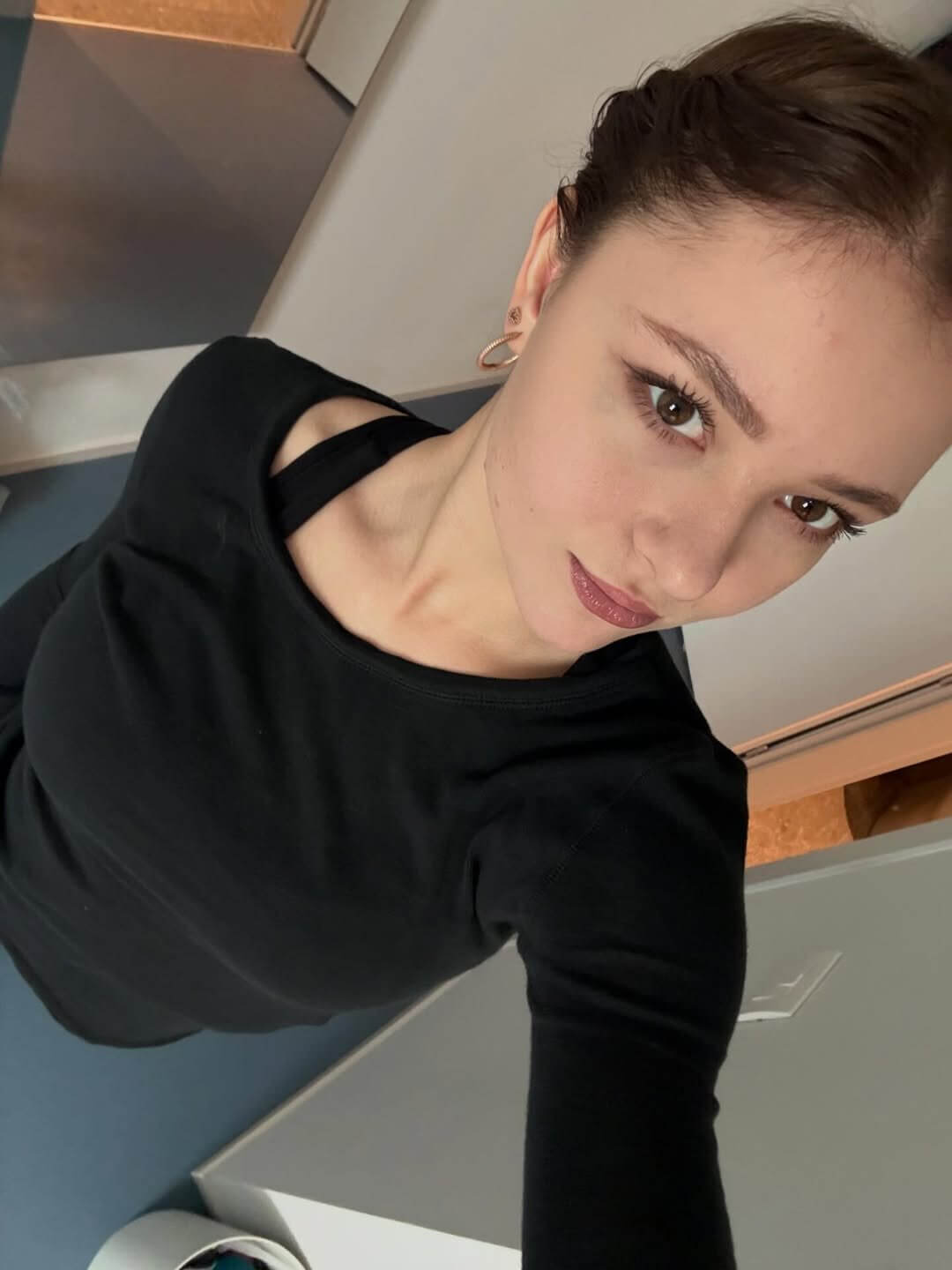
— You mean quads and the triple axel?
— I think about it all the time. And when I injured my leg, what upset me most was that it would set me back a lot in working on ultra-c. Drilling a triple axel or a quad before the Olympics is a strange decision, so it was clear right away: in that respect the season was a wash.
When I was doing jumps in the winter, I saw the height was good, there was room for one more rotation. But I couldn't risk it.
It's absolutely clear to me: if next season I don't land an axel or a quad, I won't move uo in the standings. So the goal is clear. But as you grow up, you understand that goals aren't reached so easily. A complex jump doesn't come from drilling alone — you have to structure all your work properly.
— But have there been successful attempts since you moved to America?
— Yes. The first one I landed here was the axel, and then I started working on the salchow and loop.
I know what people may say: where's the video, you must have dreamed it. But my coaches and I have plenty of these landings on our phones, I just don't see the point in showing off — there's clearly nothing yet to show off about. Once I do it at competitions — then we can talk about it. As Rafael says: you have a jump when it's 10 out of 10, not on social media.
— Did you see the comments from Evgeny Plushenko's team after the Olympics? That with them you would have come out in Milan with three ultra-c.
— I saw them. Everyone has the right to an opinion. That's how life turned out: I didn't go to the Olympics with them, but with Arutyunyan. And each of us can draw our own conclusions and make decisions from that. What more is there to say? If I weighed 40 kg right now, maybe I would have shown all the quads at the Olympics. If only, if only.
"I was very scared." What's it like training with Arutyunyan? What's so impressive about Gumennik?
— After moving to America, you switched one training system for another. What's the difference?
— The most important difference is that you work on your own.
It wasn't that hard for me to get used to that, because I've worked that way my whole life: I don't need to be pushed, reminded or asked to do another run-through.
But I know that this sometimes confuses those who come to Arutyunyan's rink. If an athlete is used to a clear step-by-step plan, it's hard for them: you go out and just skate both sessions on your own?
I explain that there's an assignment from the coach, and you yourself know what you need to work on — why constant supervision? At the group session the coach can correct something if he doesn't like it. Plus you can always take a separate lesson after, where you go through specific things.
This isn't familiar or comfortable for everyone, sometimes people feel the coach isn't paying any attention to them at all. But that's exactly the difference in approach: you take full responsibility for yourself and your work.
In the early days after the move I would also sometimes freeze: I have to skate by myself for two hours? But then it all makes sense: during the season you skate sequences and programs, polish elements.
Rafael Vladimirovich always gives exercises at the group session that lead up to quad jumps. And then from these details you assemble your own training, and sometimes I end up with a plan where I can't get through everything. But I always know what I need to do. Feel like I need to stay for one more ice session? I stay and finish.
— What does your schedule look like?
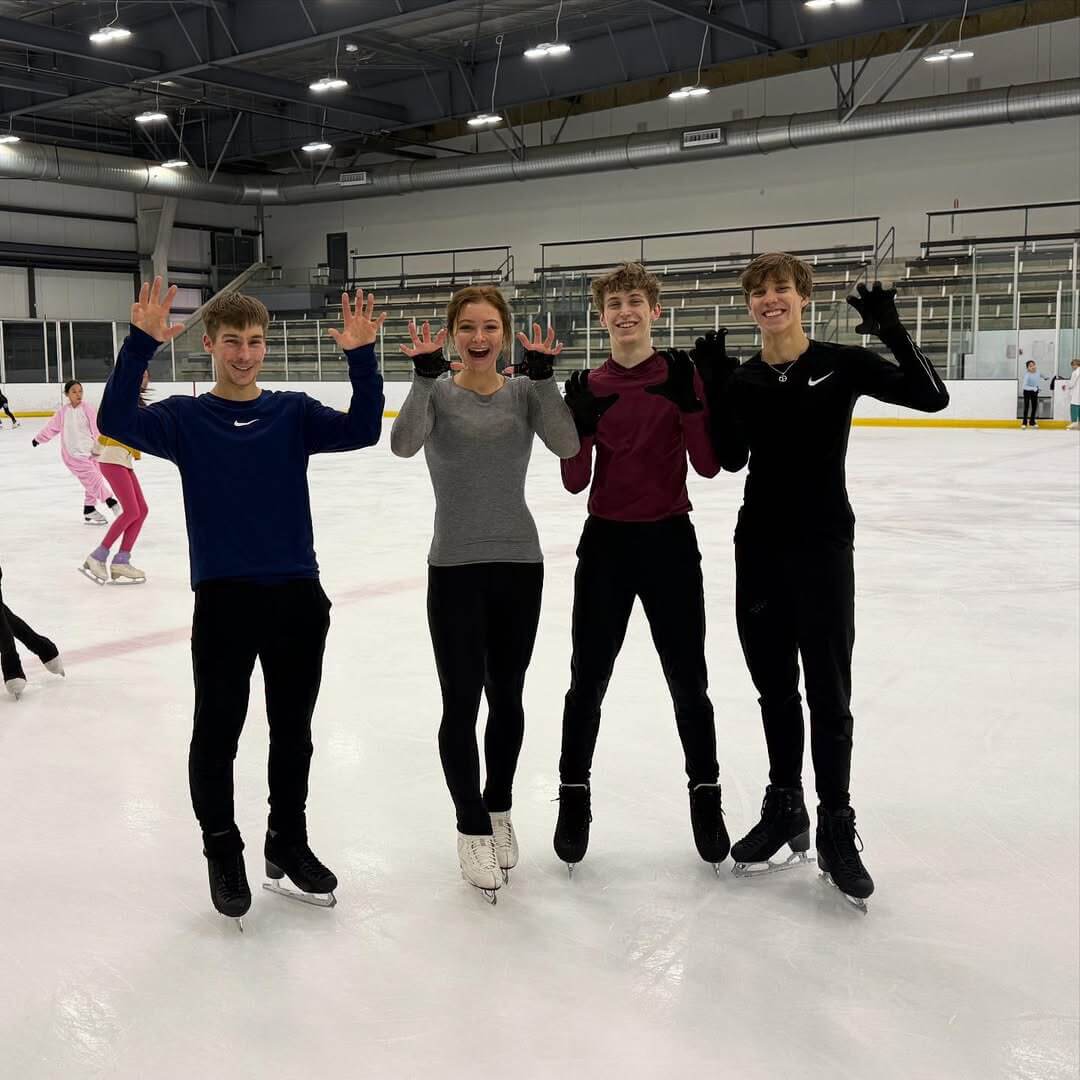
— I have one day off — Sunday. The rest of the days I'm at the rink from 8 a.m. to 6 p.m. Morning warm-up, then three ice sessions with breaks, then a short rest and an hour and a half of off-ice training. Sometimes I might add an elliptical or a run in the evening. That comes out to almost 30 sessions a week.
On Saturday training is optional, but I always go — except I take a break before competitions. On Sunday we head to the beach with friends, play tennis or volleyball, so I don't sit at home anyway. Andrew Torgashev, Zhora Reshtenko, lots of guys come for training stints — we have a great group, everyone's gotten close.
It's great when new people show up in the group: you pick up something from them, they learn something from you. It's very useful and broadens horizons. "Oh, you do it like that? Cool, let me try."
I really like it when there's a big strong group on the ice. Guys come who jump lots of quads, you reach to keep up with them and try not to be worse. Nikolaj Memola, Misha Selevko, Petr Gumennik.
Petya is an absolute machine, of course. He gets onto the ice, five minutes pass — and he's already doing quads. We all skate past him and go speechless, it's freaking awesome. He's tall and incredibly strong physically. When Petya goes into a jump, you press yourself into the boards, because he does everything so powerfully.
— When you went to train with Arutyunyan, what was the scariest part?
— I was just very scared. I still get goosebumps when I talk about it. Never in my life had I been so scared to go up to a coach — this is the legendary Rafael Arutyunyan!
For me, figure skating has always just been work: here's the coach, I respect him. But in California, after practice I'd sit on the bench for 20 minutes, getting myself together. He's such an indisputable authority for me, I respect him so much, that I always want to be in top form, skate everything perfectly.
What is he like in his work? A fairly strict coach and a person focused on results — and that's great.
Now I've gotten used to it and settled in — I go to practice calmly, without nerves. This is my work zone, everything's clear to me there.
"'I won't eat' doesn't work." Talking about weight, fainting from undereating, and online hate
— How did Arutyunyan rate this season?
— Rafael aims exclusively for first place. He doesn't hide it: only victory, only success.
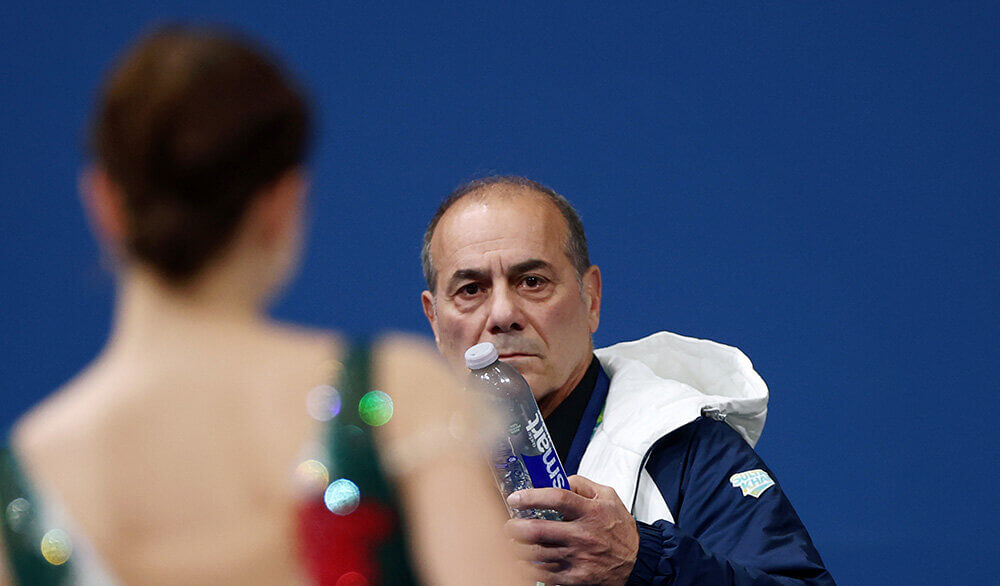
So I don't think he'd be satisfied with my season rating: 7 out of 10 is not his number. But my road is just beginning, I'm moving forward, and a year from now, maybe I'll rate this Olympic season at a four out of ten.
He thinks the main goal right now is to sort out my health, so I can train normally, without having to worry about injuries. Another task — body discipline, but I understand that myself.
I'm built so that even a small pause in training and I gain weight right away. That's my reality, I won't say "curse," but I've fought with this topic my whole life. There's that fly in the ointment in my figure skating — deal with it, girl, fight. But I know that here too things will work out, we'll find a way.
My sister and I were just lamenting this recently. Why are there girls who, no matter what they eat, stay tiny and slim — they don't think about it at all. But she and I have a different body type. So we cried that life is unfair, and then wiped our tears and started looking for the upsides. And we quickly came to the conclusion that everything is fine, there's no tragedy.
Of course it isn't easy, and it really is a daily fight.
But how do you explain that to people? Commenters have a simple recipe: shut your mouth and don't eat. And how do you train then, where do you get strength from? The "I just won't eat" scheme doesn't work and never has. The opposite effect kicks in.
— Have you had such periods in your life?
— Of course. But in childhood — as an adult I no longer torture myself like that. Back then I could nibble cucumbers and radishes for breakfast, a piece of meat for lunch, and skip dinner entirely. But those were the conditions. If I met that me now, I would've definitely told her this isn't normal and you can't do this to yourself.
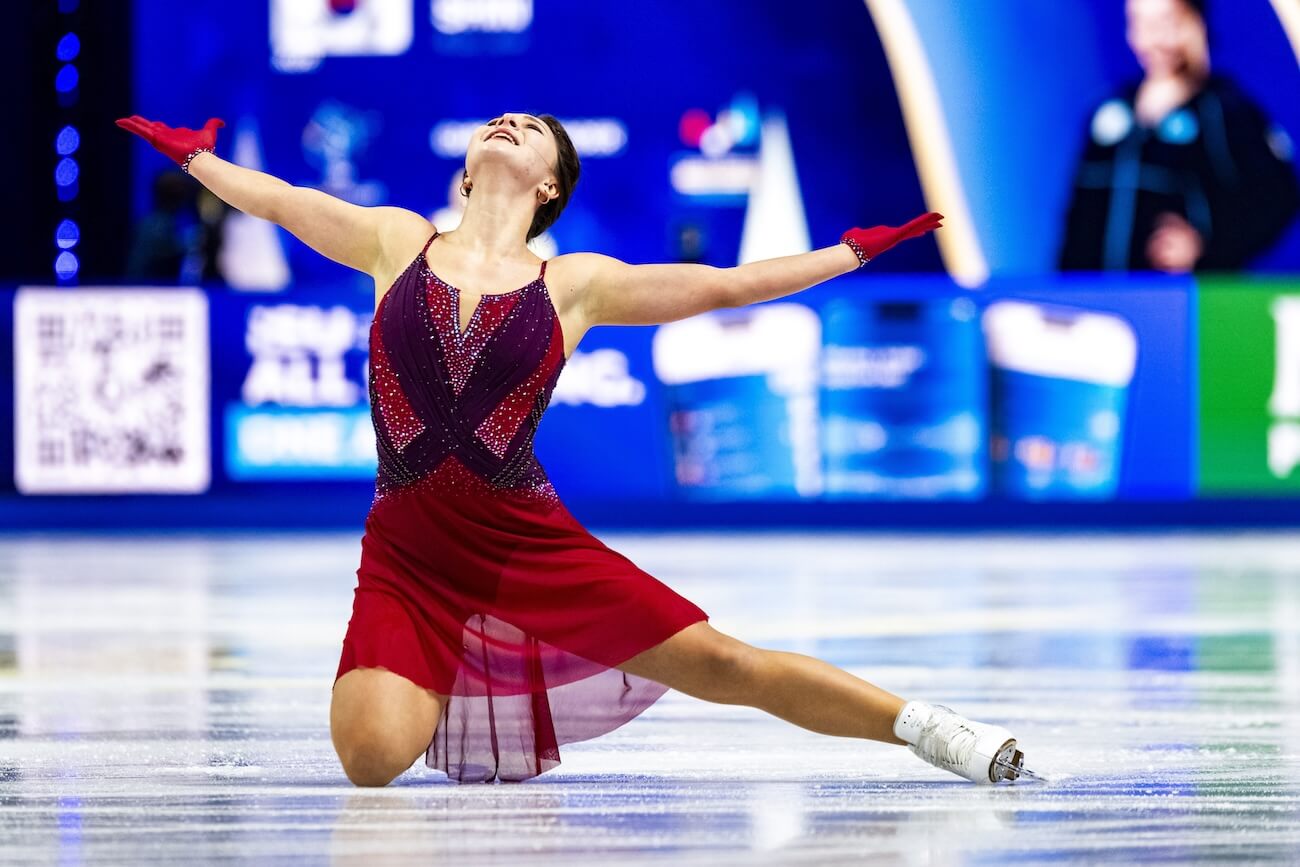
I'd go to practice, naturally not eat after, and then run on the treadmill wrapped in cling film for another hour and a half. My body was exhausted, I'd wake up in the morning already drained — I lost consciousness, was barely able to walk.
But I was a child, I was 12–13 years old, and at that age nobody thinks about what will happen to you at 19.
Now I try to treat food consciously, I switch to a slightly stricter regime before competitions. That's something you have to learn too, it turns out. It's great if someone already knows how, but I'm still at the beginning of the journey.
But this is definitely not a topic I refuse to talk about. I'm not ashamed of it, it's a normal question. Well, I don't look like the girls from Korea — but I'm not Korean! It's strange when we get compared.
— Do such comments hurt?
— They used to, badly. I could easily burst into tears from being hurt — why hit a sore spot? It's my body, my story. But now I read less about myself, and even when I see it I just laugh. After the Olympics there was, I remember, a comment "they gave the nightstand an apartment."

Well, that's funny: a person sits there and writes with such anger about a girl they don't even know. But on the other hand they're proud of how many likes they got — what a great achievement.
Life in America: prices, the MAGA cap, and why do you need a saucepan in a hotel room
— What does Sofia Samodelkina need to work on more?
— Discipline. Not in work — at the rink I have no problems. But Rafael explains that there can be no sport without overall discipline. You need to understand that what you achieve in sport depends on your way of life.
But that's still hard for me. I love hanging out with friends and filming TikToks. There was once such an embarrassing moment, a nightmare. We posted one video, there was nothing special in it, but Rafael saw it and said: "So this is how you rest at home in the evening, huh? Instead of sleeping and recovering."
— There was also the story with the MAGA cap. Social media tore into you back then.
— A stupid situation. It wasn't even my cap! I was visiting friends, trying on baseball caps — and I liked the red one. I put it on for a second on video — and then I open Twitter, and there's a wave of discussion of my political views. So I had to explain that I had no idea what MAGA meant — I googled it after.
But I've matured since then. Sometimes I remember situations from a year ago — and I don't understand why I acted that way.
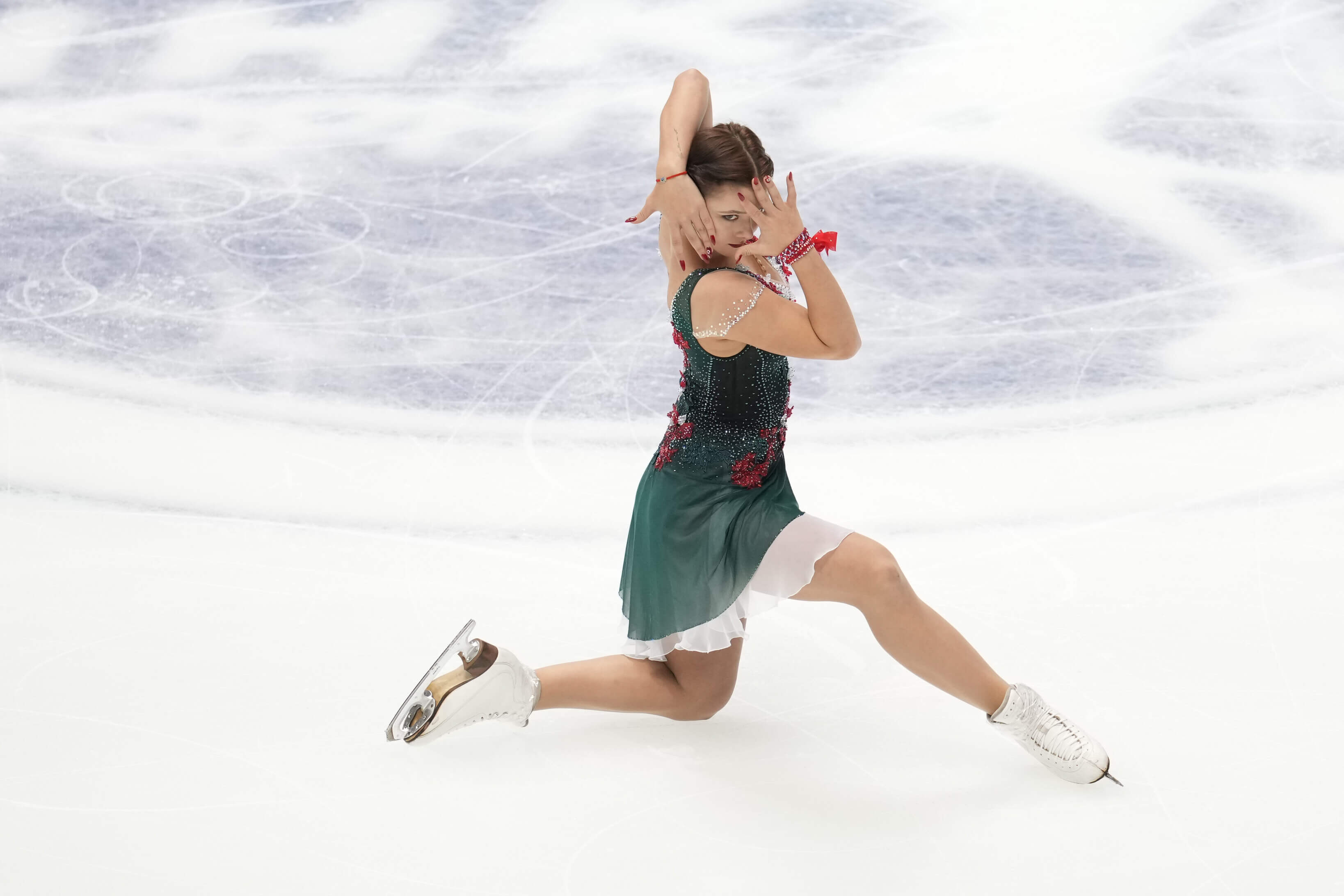
— What are the main changes?
— I've become more relaxed and confident — and with each start that feeling only grows. With experience comes an understanding of how to control nerves and excitement.
I'm definitely more independent now. This season I felt I want to take on more responsibility — even for everyday things. I understand I need to get a driver's license — in America you can't go anywhere without one. Right now my mom drives me, but she should have her own life, instead of which she's tied to me. That's not right. I'm already 19 years old, it's time to learn to live on my own.
We've already discussed it with her: the difficult Olympic preparation phase is behind me, I'm ready to learn to live like an adult. That doesn't mean I'm giving up my mom. I just want to give her a chance to enjoy all the colors of life, not just take care of me.
Of course, even if I start living alone, I'll call her, complain to her, and very much wait for her to visit. Mom is mom, she'll always help.
— She's also your physiotherapist, isn't she?
— Yes, she massages me after practice and helps relax sore muscles. That's where I hit the jackpot: at home I have a personal high-class specialist.
— And how is your daily life set up now overall? I know that at first it was pretty hard.
— I think nobody has it easy after moving to America, everyone has their own period of adaptation. You have to get used to new conditions and accept that things won't be like before.
For the first year my mom and I lived in a hotel, in a standard room. Two beds, a closet, a desk. Of course we didn't go to restaurants, we cooked right in the room: we had a hot plate, a kettle, and a saucepan. And mom would whip stuff up there: buckwheat, salads, soup. So we had a budget restaurant. Well, whatever, we lived fine. I knew: later I'll get to medals, to prize money — it'll get better, but for now it's like this.
Then we got to know people who advised us how to set up our daily life. And the federation started helping more — especially in the Olympic season.
They created really good, comfortable conditions for us. I don't need much anyway, for me comfort means a bed, a bit of space next to it for warm-up, and a shower. I came back from the rink, lay down — fell asleep, what else do you need?
— Have you moved out of the hotel?
— Yes, now my mom and I rent two separate rooms in a big house, that's much more convenient, even if a bit more expensive. So now I have my own room, plus a normal kitchen. But more importantly, mom has personal space too. And the host has a dog, I can play with it and unwind.
— Life in America is more expensive, do you have to save?
— Naturally, quite a lot. What I could afford to buy in Moscow or Kazakhstan — in America I walk past it and think "maybe later."
— For example?
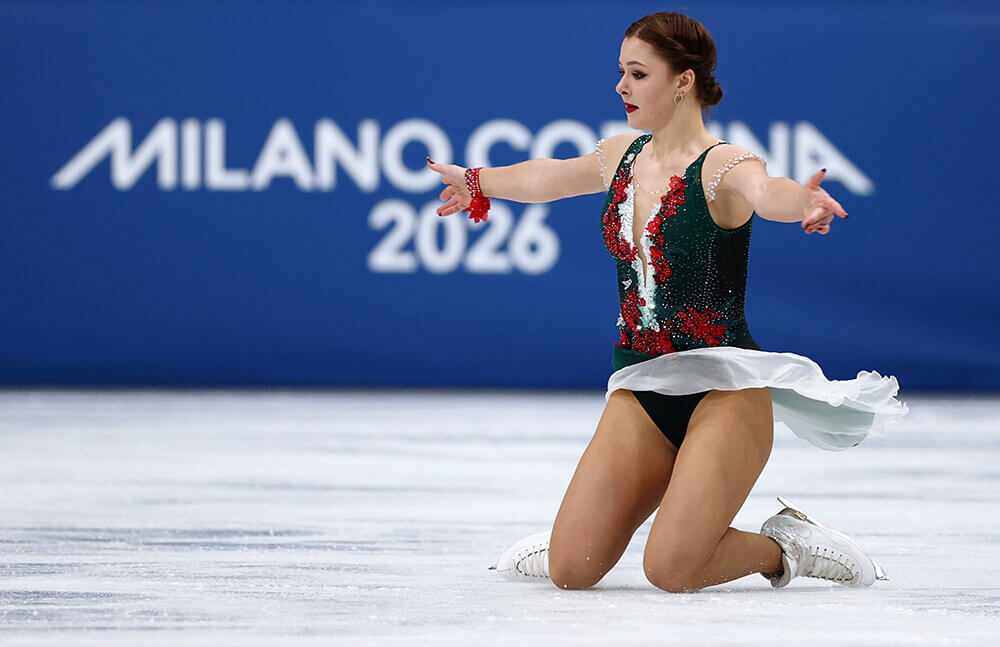
— Any cosmetics or beauty services — like a manicure. I perform the whole season with long red nails — it fits the image of my short program.
In California I get my manicure done with tears in my eyes every time: first, the quality doesn't compare to ours, and second, in the cheapest place, where they'll mess it up, it costs a hundred dollars.
I asked the girls whose manicures I like — they pay 250 dollars for them. If I gave that kind of money for nails, and dad later found out about it… I wouldn't be able to look him in the eye normally after that.
Coloring my hair the simplest way — 220 dollars. In Kazakhstan I can get nice highlights for 5,000 rubles.
A taxi there is a luxury. 5 minutes — 30 dollars. So "no thanks, I'll walk, get some cardio in while I'm at it."
Moving from Moscow and friendship with Trusova. "I'm always up for a good fight" — Sofia waits for Alexandra at competitions
— Were there days when you regretted the decision to leave?
— There were days when it was tough. But I never regretted the move.
The hardest part was making the decision to leave: I didn't want to leave my friends, change the familiar environment, part with my family. Like any kid, I worried: what will I gain by sacrificing all of this? There were no guarantees. But once I started skating and competing, no doubts remained. I saw I was opening up in a new way, growing, the world was getting to know me — and it didn't matter what scores I got.
I know perfectly well what I need to work on. And I knew that after the move I'd be judged by the strictest standards. And great — as my coach says, we'll know better what to work on. You have to go out and not give them a single chance to give you a level three on some spin. They say first you work on your reputation, and then your reputation works for you. That's what we're doing right now.
— What or who do you miss the most?
— My grandmother and my friends. In Moscow I have two friends left — Kira Trofimova and Masha Mazur, and I miss them very much. With dad I at least see each other a few times a year, but I haven't seen them in a long time. Since I left I've never been to Moscow.
But I'm in touch with my friends every day, with Kira we just went on a beach vacation together.
— In Moscow you were also pretty close with Sasha Trusova, you even caught the bouquet at her wedding. Are you in touch now?
— She and I now live very different lives — in different countries and time zones. Sasha started a family, gave birth to a son — that's so cool, she has such a sweet little Misha, I follow their life on social media with pleasure.
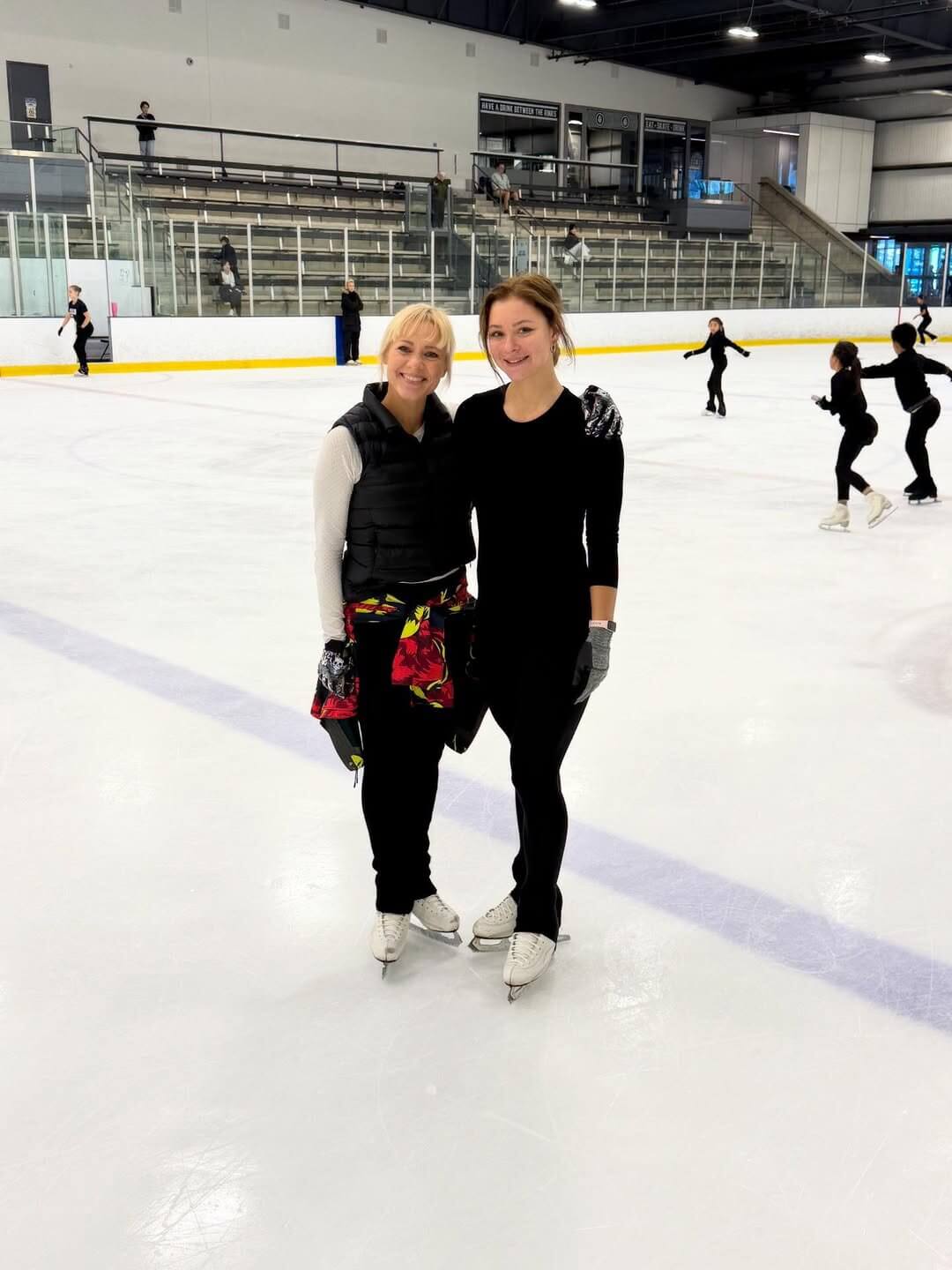
Sometimes we text each other, congratulate each other on holidays. Sashka wrote to me after the Olympics, saying she's glad I made it there and fulfilled the dream.
— And have you seen that she's jumping the quad lutz and triple axel again?
— That's super cool! Sasha is a unique one, she does things nobody else is capable of. She didn't just grow up and land a quad. She also gave birth and came back on the ice with quads, that's never happened before. I cheer for her hard, and if she wants to come back to sport, if she puts it all together, the result will be incredible. The whole world will be watching and rooting for her.
— Would you like to meet her at tournaments?
— That would be cool. I know how to be both friends and to compete. So I have no concerns about that — I'm always up for a good fight.
Choreography with Bourne — what's Shae-Lynn's secret? And what does Kostornaia's "Angel" have to do with it?
— This year you choreographed your short program with Shae-Lynn Bourne. Tell me, why is everyone so eager to work with her?
— You step out onto the ice with her — and the magic begins, I swear. Shae-Lynn works in a special aura, it's her magical space that you get access to.
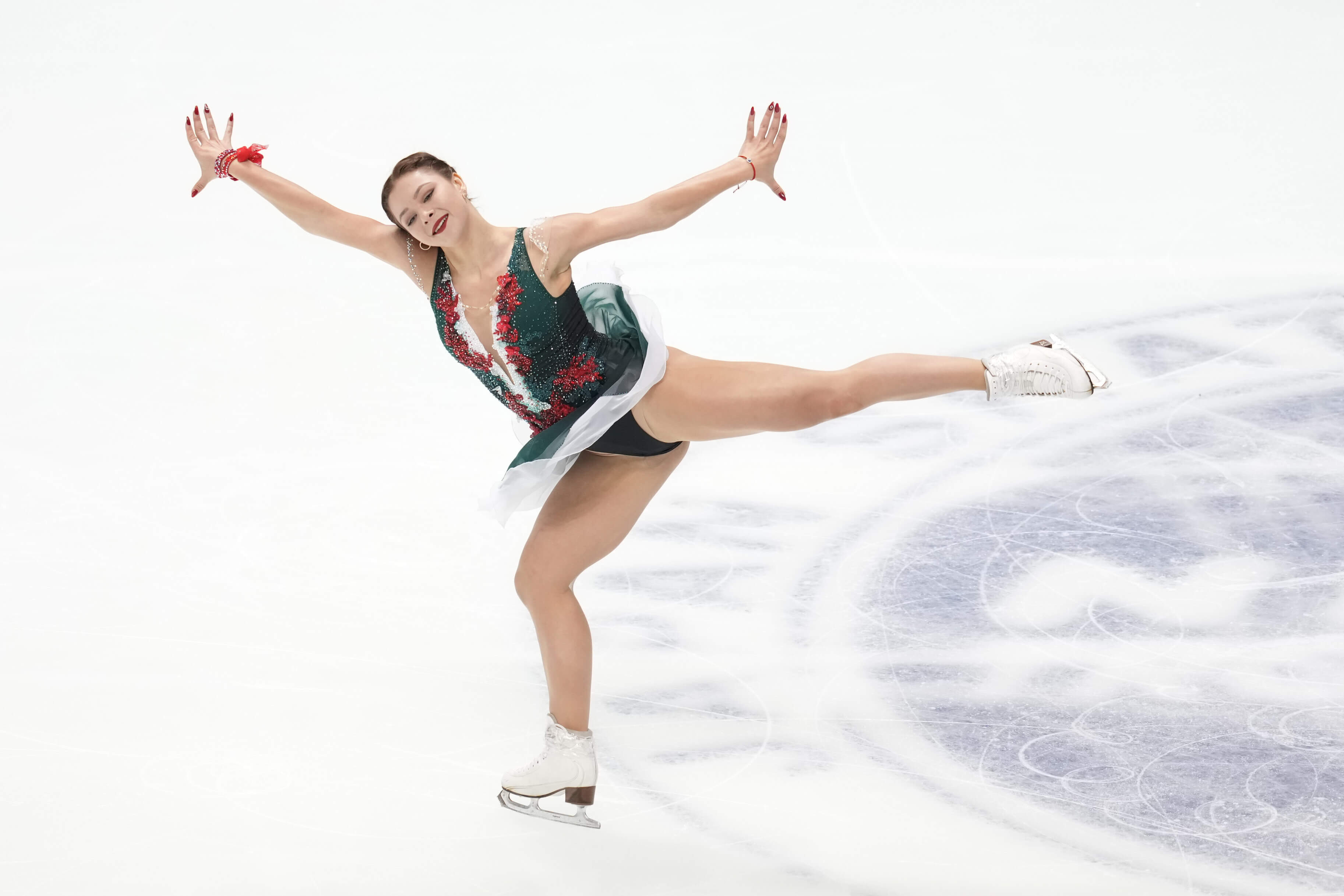
First, she has limitless imagination: she can offer 500 versions of some sequence if something feels uncomfortable to you. She's constantly coming up with things and refining them.
Second, if you say you don't quite understand how to convey the image, she'll explain everything in detail. Don't get it by ear? She'll write it out in detail, so you can later translate it all and not lose anything.
You skate together with her, work through the program, she adds a lot of cool little details. Of course there are many good choreographers, but there's something special about her, it's hard to describe in words. A completely different level.
— Will you choreograph the new programs with her too?
— Yes, the free skate for sure. In early May I fly back to America, and we'll get started on choreography.
— Is it expensive?
— Very. I won't name specific figures, but it's definitely worth it.
— Does the federation pay for Bourne's programs?
— Yes, both this season they helped, and they promised to support me next season too. I jumped for joy when they told me they were ready to pay for the work with Bourne. Of course, first we discussed it with Rafael — and he said that if I had a decent season, he would talk to Shae-Lynn. It's very hard to get to her.
When I was explaining to the federation why this costs so much, I promised that the program would be very cool. And it turned out that way.
I always had a dream: to skate "my own" program — like Alena Kostornaia did with "Angel." That program became her signature one, and even if I took the same music now, everyone would immediately say "oh, that's Alena's program." I wanted my "Csárdás" to be special, for people to remember me in this image.
I don't yet know whether to keep this program for the next season — it can definitely be polished and brought to perfection. On the other hand, watching the same thing for a second year is boring. There's also the option of turning it into a number for exhibitions — this program is always very warmly received by the audience.
I was a little upset that it didn't make the long list of nominees for the ISU Skating Awards. I understand they take much more popular athletes — well, never mind, I'll have such a program in the future. So I'll skate something they simply can't fail to notice.